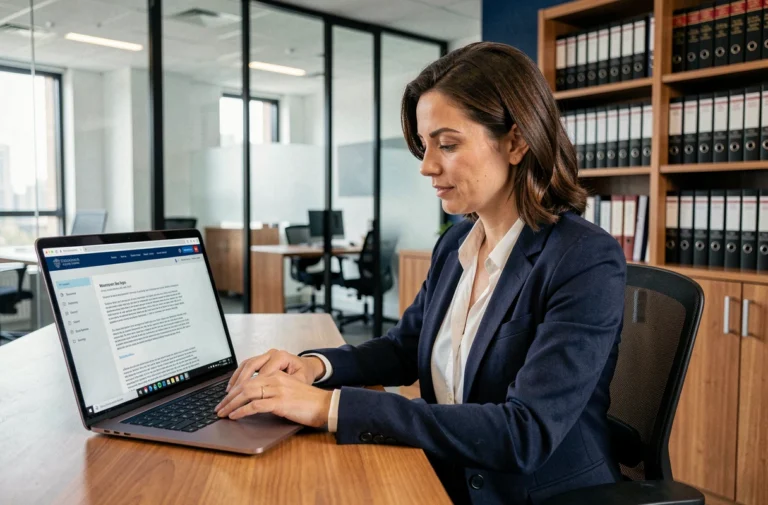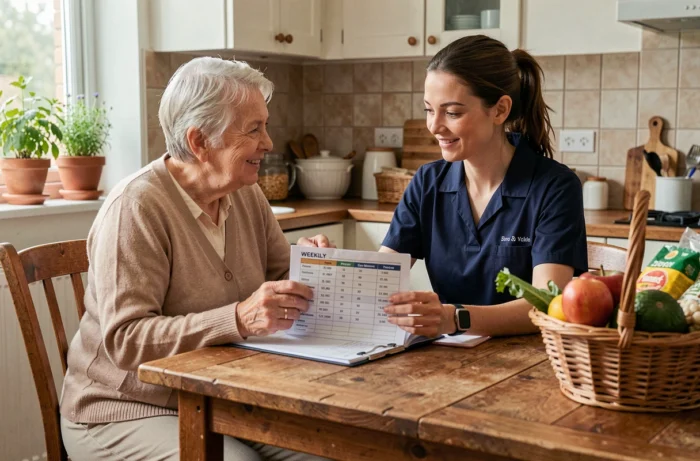
Logisfil is a telemanagement portal used by home care organizations to timestamp each intervention performed at a beneficiary’s home. The service records the arrival and departure times of caregivers, validates the services, and transmits the data to funders.
For seniors who wish to verify what is happening in their homes, the beneficiary space offers direct visibility on the visits made. The question arises: what do we really measure with this tool, and where are its limits compared to other home care devices?
Telemanagement and home teleassistance: two systems not to be confused
| Criterion | Telemanagement (like Logisfil) | Emergency teleassistance |
|---|---|---|
| Main function | Timestamping and tracking interventions | Alert in case of a fall or malaise |
| Availability | Consultation during office hours | Continuous listening available |
| Data collected | Hours, duration, type of service | Location, alert signal |
| Main user | Organization, funder, beneficiary | Senior and call center |
| Regulatory framework for data | GDPR (sensitive personal data) | GDPR + teleassistance standards |
The confusion between these two systems often arises. Logisfil does not replace an emergency alert system. Its role is limited to ensuring reliable billing and providing the beneficiary with a means of control over the services performed.
A senior equipped only with Logisfil access has no call button or fall detection. By understanding this distinction, we avoid attributing to the Logisfil service for seniors a security function that it does not provide. The two tools can coexist, but they address separate needs.
Personal data on Logisfil: what the GDPR requires from organizations
The information that passes through the platform is not limited to schedules. Beneficiary address, lifestyle habits, frequency of visits, and sometimes data related to health status: these elements fall under sensitive personal data as defined by the GDPR.
The responsibility for their protection does not rest solely on the software publisher. Each home care organization must:
- Contractually frame its subcontractors, including the host of the telemanagement platform
- Maintain a record of processing activities and inform beneficiaries about the nature of the data collected
- Implement appropriate security measures (access control, encryption) and, in case of a breach presenting a risk, notify the CNIL within a maximum of 72 hours
For a senior or a family caregiver, the question to ask the service provider is simple: who accesses the data, how long is it retained, and how can one request its deletion? If the answer remains vague, it is a warning sign about the service’s compliance.
Beneficiary access to Logisfil: real friction points
The guides describe a linear connection process. In practice, several recurring obstacles arise.
Username and password
The username is a five-digit code, usually found on invoices. The default password corresponds to the date of birth in the format YYYYMMDD. This format is not what most seniors use daily, leading to input errors from the first attempt.
Password reset must go through the organization’s manager, not the beneficiary themselves. The recovery time varies from a few hours to several days depending on the service’s responsiveness. During this time, the senior loses all visibility on their interventions.
Confusion between spaces
Logisfil offers a caregiver space and a beneficiary space. The two portals look visually similar. A senior who mistakenly accesses the wrong homepage encounters a form that rejects their credentials without clear explanation. This confusion is amplified on mobile, where the site’s ergonomics are not always suited to small screens.
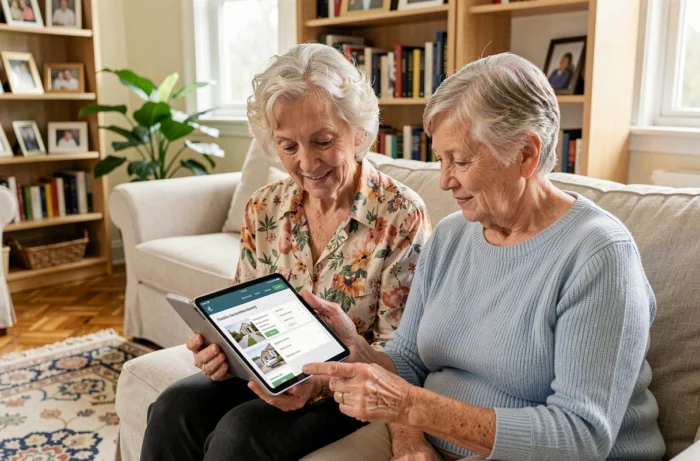
Tracking home interventions: what Logisfil shows and what it does not
The beneficiary space allows for consultation of the interventions validated by telemanagement. Specifically, it includes the date, arrival time, departure time, and type of service. The tracking relies on a timestamping system at the beneficiary’s home, providing reliable traceability of visits.
The platform does not provide information on the quality of the service. A thirty-minute visit validated in the system says nothing about the tasks actually performed. Telemanagement measures presence, not the content of the intervention.
This gap between what is tracked and what is experienced explains why some beneficiaries or caregivers notice discrepancies between billed hours and their perception of the service provided. Regularly checking intervention records remains the best control lever to spot an anomaly before it affects billing.
Coordination with a family caregiver via Logisfil
Some organizations allow sharing beneficiary access with a family member. This delegation enables a geographically distant caregiver to monitor visits without calling the organization every week.
The implementation of this delegation depends on the policy of each service provider. There is no “share access” button on the platform itself. The caregiver must obtain the credentials from the organization, with the explicit agreement of the beneficiary. This manual procedure limits the fluidity of the system, but it protects the senior’s privacy.
Logisfil serves a specific function in the home care ecosystem: to provide the beneficiary and their relatives with a documented view of the interventions performed. The tool does not cover emergencies, qualitative assessment of services, or medical coordination. Keeping this framework in mind allows for making the most of the portal without expecting what it is not designed to provide.