
A positive review published on Google, Trustpilot, or a product page carries more weight in the purchasing decision when it contains an observable fact rather than a superlative. The difference between a convincing comment and a compliment forgotten in three seconds often lies in the structure of the text and the level of detail. The ten examples that follow each illustrate a specific writing technique, measurable in its effects on perceived credibility.
1. The Structured Review Situation-Behavior-Impact

The SBI method (Situation-Behavior-Impact) involves describing the context, the observed action, and then the concrete effect on the customer. Example: “I contacted customer service on a Saturday evening (situation). The technician called back in less than an hour and guided the process over the phone (behavior). My connection was working again before the kids went to bed (impact).”
This structure eliminates empty phrases like “great service, I recommend.” It gives the next reader a scenario in which they can envision themselves. Looking for examples of positive reviews to write using this model helps to vary formulations without sacrificing precision.
2. The Review That Specifies Who the Product Is Suitable For

Ending a comment by indicating the user profile to which the product or service is addressed transforms a simple feedback into targeted recommendation. Example: “Firm mattress but not rigid, perfect for back sleepers with lower back pain. Less suitable if you’re looking for a plush feel.”
Specifying suitability to the need goes beyond generic praise and directly informs the reader about their own situation. This type of review generates trust because it acknowledges a limit while remaining positive.
3. The Review with Integrated Visual Proof

Recent best practices recommend adding photos or videos to a review to enhance the credibility of the message. A snapshot of the served dish, the unpacked package, or the result of a service anchors the text in reality.
Example: “Here is the result after two coats of paint (photo attached). The shade matches exactly with the sample received. Complete drying in four hours, with no noticeable odor in the room.” A review accompanied by an image is perceived as more reliable than text alone, regardless of the number of stars.
4. The Comparative Review with a Competitor

Mentioning a previous experience with a competitor gives the reader a reference point. Example: “I had used another caterer for a similar event last year. This time, the buffet was set up an hour before the start, the quantities were calibrated for the exact number of guests, and the cleaning was included.”
This format works because it establishes a before and after without disparaging. The factual comparison replaces hyperbole.
5. The Review Focused on an Unexpected Detail

A comment that highlights an element that no one expects to read captures attention. Example: “The mechanic recalibrated the tire pressure sensors without me asking. The orange light on the dashboard, which had been bothering me for weeks, disappeared.”
A precise detail is worth more than a paragraph of praise. The reader remembers the concrete gesture, not the flattering adjective. This type of review makes one want to try the provider to discover other similar attentions.
6. The Review That Quantifies the Result Achieved

When the product or service produces a measurable effect, mentioning it makes the review verifiable. Example: “After three coaching sessions, I halved my meeting preparation time. Reports went from one and a half pages to an action table on half a page.”
Quantifying a benefit, even approximately, anchors the review in the reader’s reality. A measurable result transforms a testimonial into proof.
7. The Review Written After a Resolved Problem
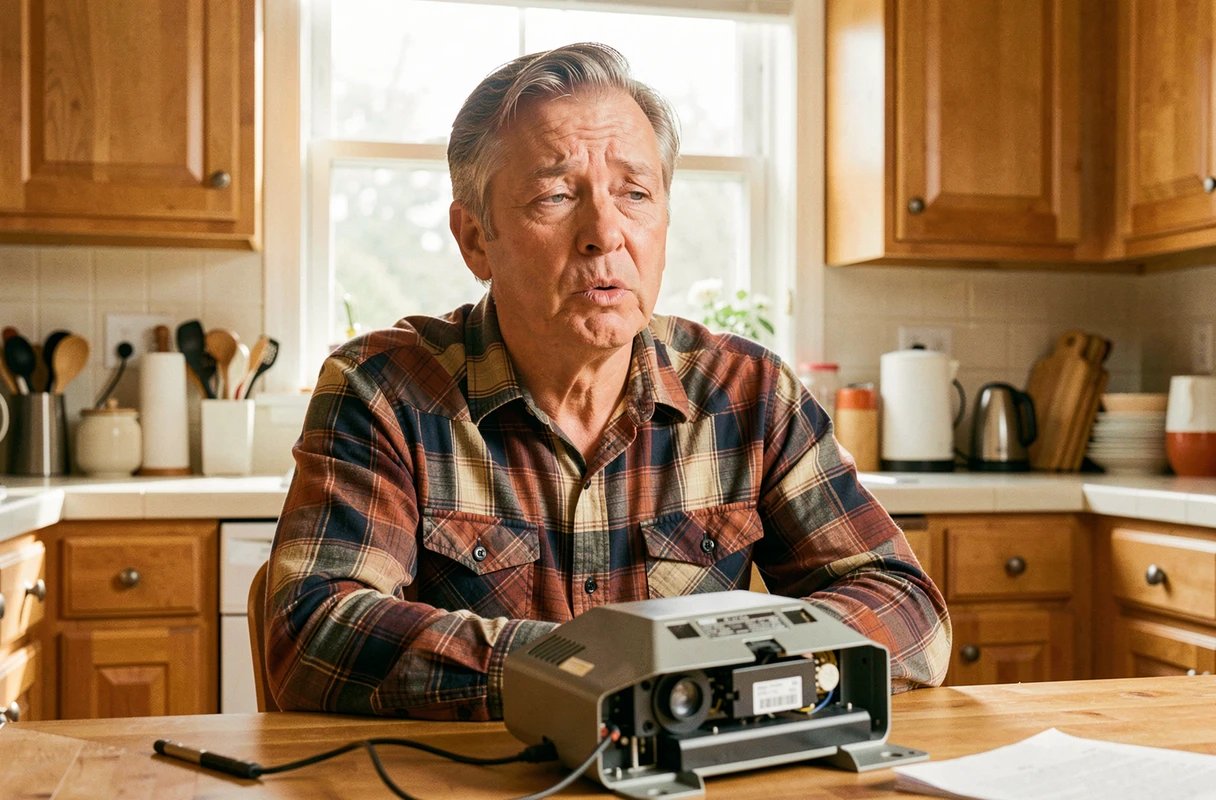
A review that starts with an incident and then describes its resolution is paradoxically more convincing than a comment without a hitch. Example: “Package arrived with a damaged corner. I sent a photo to customer service at 9 AM, received a response at 9:40 AM, and a new product was shipped the same day. Received in perfect condition the day after.”
Describing the handling of an unforeseen event proves the reliability of the service better than a smooth journey. The reader knows that in case of a problem, they will be taken care of.
8. The Review That Mentions a Contact by Name

Naming the person who provided the service humanizes the comment and makes it verifiable by the company. Example: “Thanks to Sarah for her patience. She went through the contract clauses I didn’t understand point by point, without ever giving the impression of wasting time.”
This type of feedback also encourages internal teams. Personalization distinguishes an authentic review from an automatically generated text.
9. The Short and Factual Review in Two Sentences

A review doesn’t need to be long to be convincing. Example: “Delivery received the next day before noon. The product matches exactly with the description, no unpleasant surprises.”
Two sentences are enough when each contains a fact. Conciseness combined with a concrete detail signals a real customer, not a writer on a mission. On mobile, this format is read in full, whereas a ten-line block is often abandoned.
10. The Review That Formulates a Conditional Recommendation

Rather than a “I recommend” without nuance, specifying the condition enhances credibility. Example: “If you are looking for a responsive accountant for a micro-enterprise with few transactions, this firm is ideal. For a structure with intra-community VAT, check that they manage this aspect.”
The conditional recommendation respects the reader’s intelligence. It shows that the author has thought about the implications of their review, which increases the trust placed in the message.
| Review Technique | Main Strength | Risk if Misused |
|---|---|---|
| SBI Structure | Narrative Credibility | Excessive Length |
| Suitability to Profile | Targeting the Reader | Too Restrictive |
| Visual Proof | Anchoring in Reality | Poor Quality Photo |
| Factual Comparison | Value Reference | Perceived Disparagement |
| Unexpected Detail | Memorability | Off-Topic Anecdote |
| Quantified Result | Verifiability | Invented Data |
| Resolved Problem | Proof of After-Sales Reliability | Focus on the Negative |
| Name Mentioned | Authenticity | Privacy Violation |
| Short Format | Complete Reading Rate | Lack of Context |
| Conditional Recommendation | Respect for the Reader | Impression of Hesitation |
Each technique serves a different writing objective. A credible review always relies on an observable fact, an identifiable context, and an honestly posed limit. The compliment that convinces the most remains the one that the reader could verify themselves.